Balata, Palestine

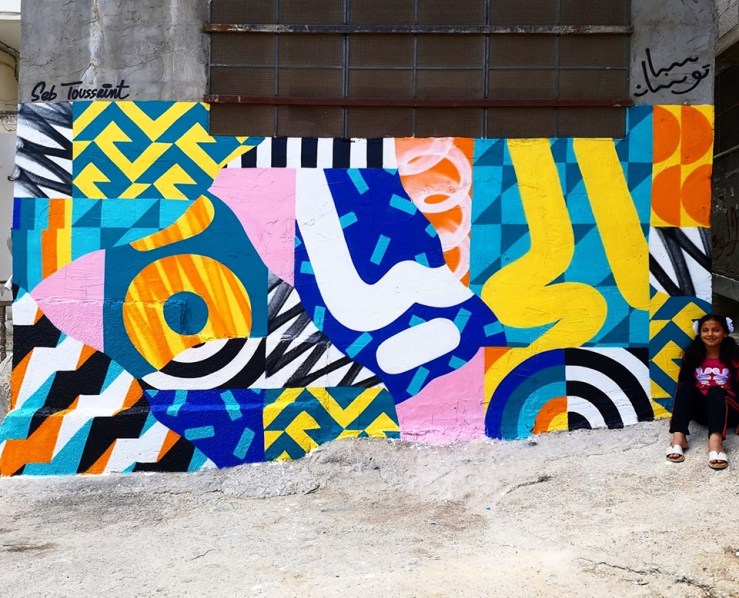
Rafif chose the word الحياة which means ”life’ in Arabic.

Rafif is 11 years old and has a whole life ahead of her. She hopes that somehow it will be good, and that Palestinians will be able to live in peace. She doesn’t know what that will look like but she wants it badly.
I tried putting all those positive vibes into my piece by adding some movement and energy. I’ve known Rafif for a year and a half and she’s just so sweet and generous with everyone. It’s unusual for me to paint for people I already know!
rafif

Balata, Palestine

Mahmood chose the word “قدوة” which means “exemple” . His word is dedicated to his father who is an exemple to him and his siblings. His father, Abu Ahmed works hard to provide for his 6 children and does everything he can to send them to university, hoping that their future will be outside the refugee camp. But on top of this he has always been very clear with his kids, forbidding them to get anywhere near guns, makeshift bombs and M16s.


70366271_1533867596754343_5541270052570923008_n

Balata, Palestine

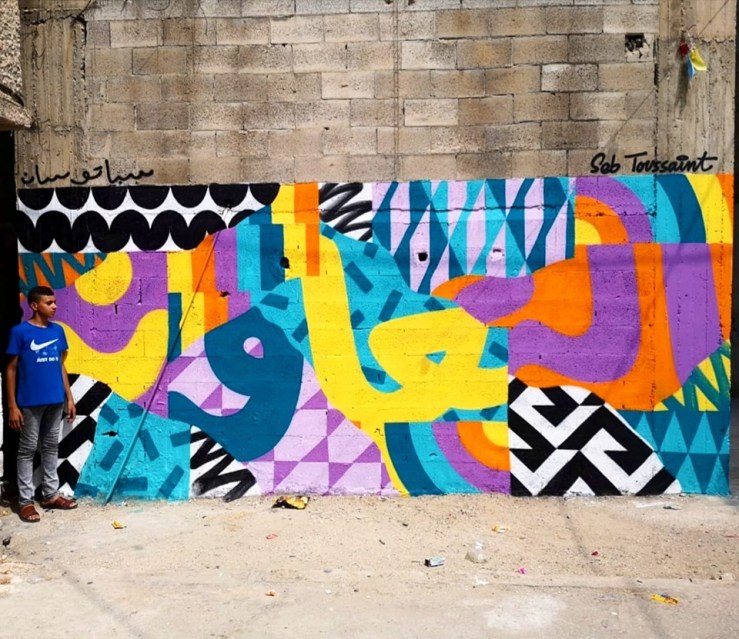
Oma Mohamad, (close to 80 years old) chose the word التعاون which means “cooperation”. She told me that she has experienced a lot of cooperation on a small scale in her refugee camp. Her family arrived from what is now Israel in 1948 to an empty piece of land. Since then, and thanks to families cooperating, the camp has evolved with concrete housing, new schools, paved roads and small businesses setting up. Although Balata Refugee Camp is a rough place because of its role at the forefront of Palestinian resistance, there’s almost no violence between the inhabitants themselves who’ve always stood together and cooperated. The trouble has always been with outside forces.

Oma Mohamad told me that she would like to see more cooperation on a larger scale in order to live in a peaceful world. The powerful people who rule our countries have a lot to learn from the humble people of Balata.

70896116_1529676143840155_5703723398086000640_n

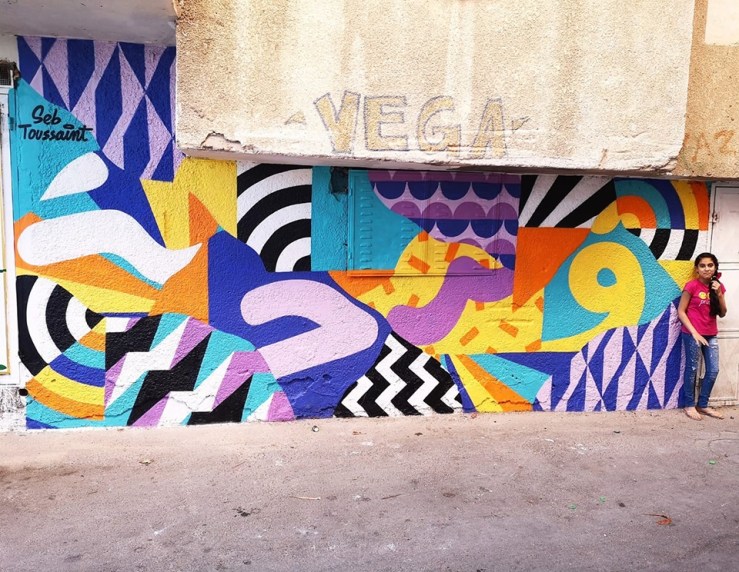
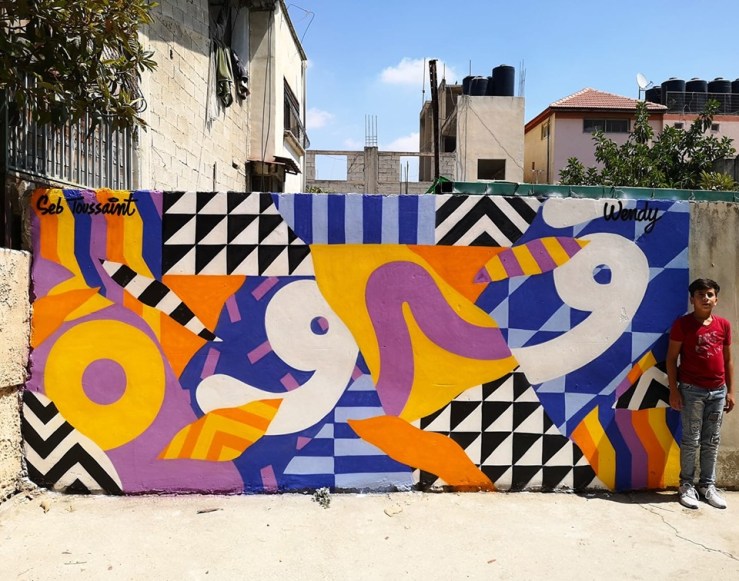
Yara chose the word فرحة, which means “happiness” in arabic. Yara and I met a year and a half ago as she lives on the same street as I here in the refugee camp. Yara and her family are always inviting me for food and making lemonade for me. And Yara definitely stands for happiness on this street! I could have guessed she was going to choose this word!
Last time I was here she chose the word “my mother” because her mother was ill and she wanted the wall to be a surprise for her. This year her mum’s a lot better and Yara smile is an even bigger one!

69835305_1528089580665478_376689209047515136_n

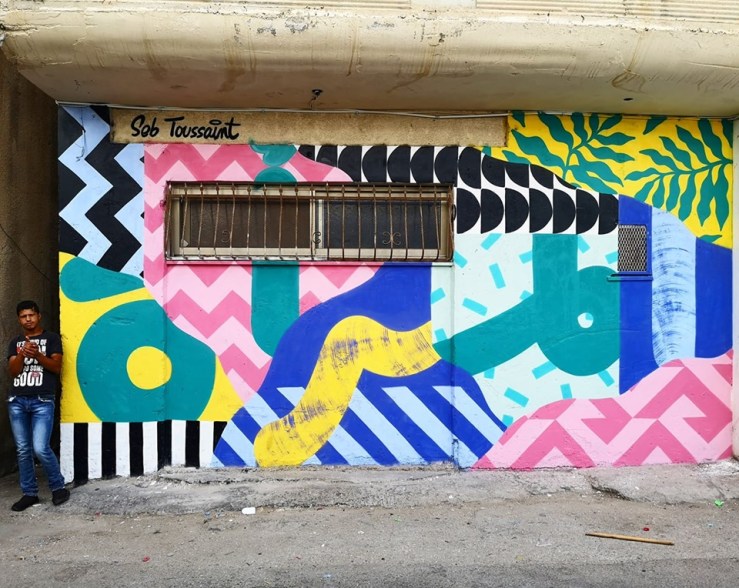
Fatima chose the word ” المرأة ” (the arabic word for “woman”) . She says that being a woman in Balata Refugee Camp isn’t the end of the world but it could be a lot better. There’s a lot the next generation should do to change things for the best!

Fatima is a teacher in this little school in the camp. This is the first mural I’ve painted since coming back to Palestine. I’ve been having great fun seeing friends I’d made here and who weren’t expecting I’d ever come back! Thank you to @beyondusnonprofit for giving me this opportunity!

69734717_1527316054076164_8060191912667119616_n

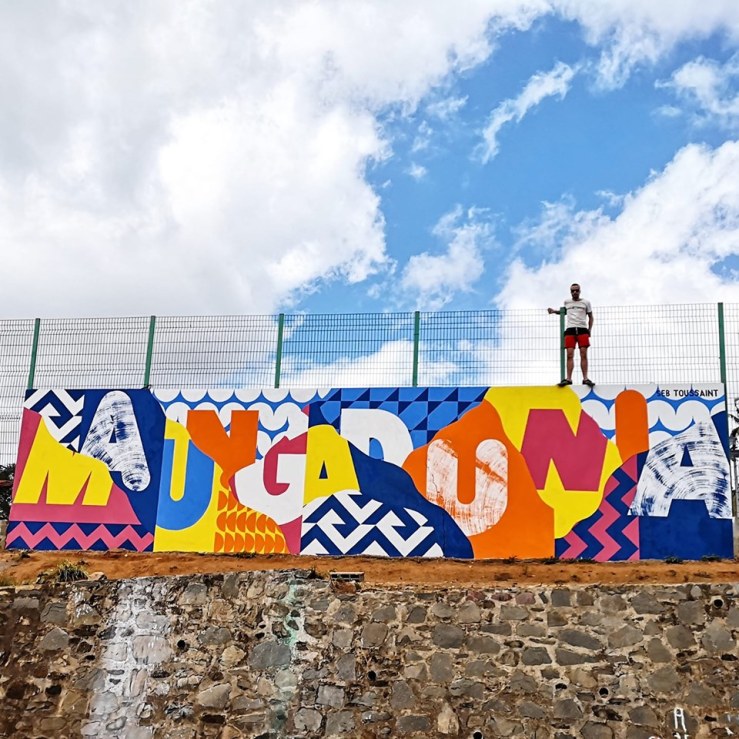
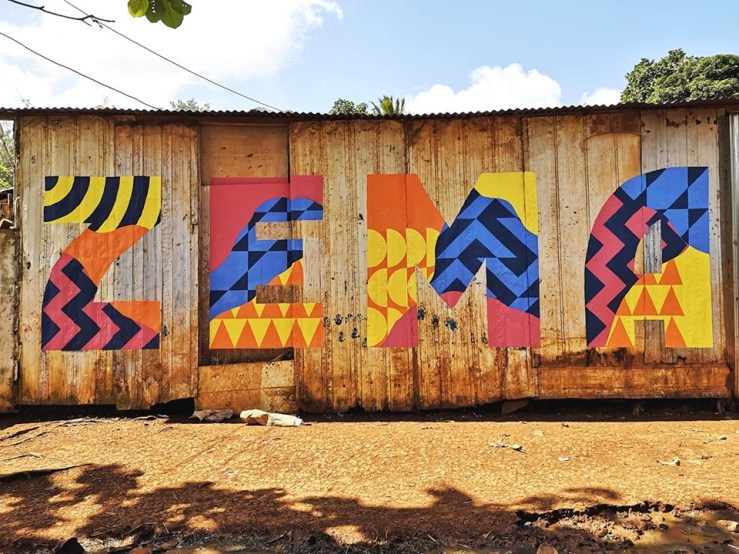
This is my last mural of this episode on the island of Maoré. My pupils chose the word “Maungadunia”, the Maoré word for “youth” and wanted me to paint it on the most visible wall of the village. Local tales stress the importance of trusting the younger generations and pushing them forwards. This word was chosen by the youth, for the youth. They face many challenges especially since there aren’t enough schools on the island for every child to be able to attend full-time. Some kids get to secondary school but still can’t read or write. However, they’ve shown me great willingness to learn, and they’ve put in so much hard work while painting with me, that I leave Maoré with a lot of hope!

Big thank you to Juliet, Nafissa and Julian and the ARLL! Marahaba to the inhabitants of Ongojou!

69805713_1517867648354338_230186813724033024_n

The best part in all my projects is getting to know a community and their culture(s). The people here in Ongojou on the island of Maoré have been very supportive of the project! I’m always very thankful for the amount of stuff I’m taught and the trust that people give me from the start. I’m brought to believe people trust artists more than polititians, tourists or NGOs. Staying in a same place for several weeks gives me a real feeling of how people live, love, laugh, play, wash, eat, pray, party, and grieve. And it also gives my pupils time to sharpen their skills!

“Udjama” means unity. The local kids chose this word because their village was formed by people who were kicked out of an owner’s land. But the tight community stood together and found a new place to live where they could acces water and grow crops.

68729253_1511025552371881_6069541151554142208_n